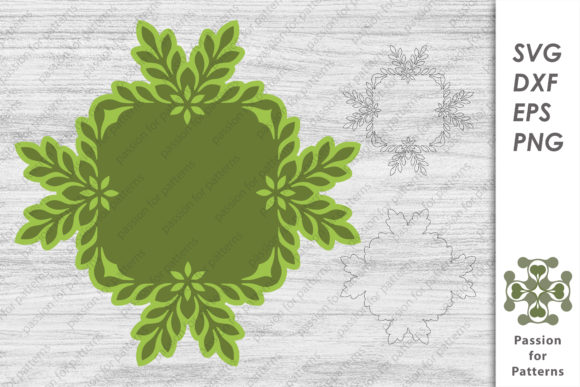
Foliage Frame Layer for Graphics and Crafts
As an experienced blog designer and digital publisher, I've reviewed countless graphic design assets over the years. The Foliage Frame Layer stands out as a versatile tool that blends creativity with practicality. Its clean lines and natural aesthetic make it ideal for editorial content and website publishing.
First Impressions and Editorial Mood
The moment I saw Foliage Frame Layer, I was drawn to its organic feel. It evokes a sense of nature, freshness, and elegance—perfect for lifestyle, wellness, or seasonal content. The design feels both artistic and modern, making it suitable for a wide range of creative niches.
This asset naturally supports content that aims to be inviting and approachable. Whether you're creating visuals for a gardening blog, eco-friendly products, or even a fitness brand, this frame adds a subtle yet powerful visual cue.
Real Publishing Workflow Integration
Let's imagine preparing featured images for a content website. Foliage Frame Layer can be used in various ways:
- Blog Featured Images: Wrap your headlines in this frame to create a cohesive look across your blog.
- Pinterest Graphics: Use it as a background for pins related to nature, crafts, or DIY projects.
- Article Headers: Add depth and visual interest to your article headers without overwhelming the reader.
- Newsletter Banners: Incorporate it into your email marketing campaigns for a fresh, engaging look.
- Downloadable Resources: Enhance worksheets, guides, or printables with this elegant frame.
- Social Media Previews: Make your social media posts stand out with this eye-catching element.
Supporting Content Performance
Using Foliage Frame Layer can significantly enhance your content's performance. Here’s how:
- Stronger First Impression: A well-designed frame catches attention immediately.
- Clearer Visual Hierarchy: Helps guide the reader's eye towards important elements like headlines or calls-to-action.
- Better Click-Through Potential: Eye-catching visuals increase the likelihood of engagement.
- More Consistent Branding: Reinforces your brand identity through consistent use across different platforms.
- Improved Reader Trust: Professionally designed graphics contribute to a polished, trustworthy appearance.
Where This Asset Works Best
Foliage Frame Layer shines in several key areas:
- Hero Images: Perfect for landing pages or home banners.
- Article Thumbnails: Adds a touch of sophistication to your blog archives.
- Pinterest Pins: Ideal for content that needs to be visually appealing on Pinterest.
- Editorial Accents: Use it to highlight specific sections within your content.
- Content Upgrades: Enhance lead magnets or free resources with this elegant design.
- Category Visuals: Help readers quickly identify content categories.
- Newsletter Headers: Bring a fresh, natural vibe to your email newsletters.
- Social Media Previews: Improve the visual appeal of your social media links.
Where to Use with Caution
While Foliage Frame Layer is highly versatile, there are situations where it might not be the best fit:
- Small Mobile Thumbnails: May lose detail when scaled down too much.
- Text-Heavy Blog Images: Can distract from the main message if not balanced properly.
- Low-Contrast Backgrounds: Might not stand out enough in certain color schemes.
- Busy Layouts: Could become lost in complex designs.
- Corporate or Serious Niches: May not align with more formal branding requirements.
- Very Minimal Visual Systems: Might add unnecessary complexity.
Practical Publisher Notes
To ensure Foliage Frame Layer works seamlessly in your workflow, consider these tips:
- Test on Desktop and Mobile Screens: Ensure it looks good across all devices.
- Check Thumbnail Appearance: Preview how it looks as a small image.
- Preview Inside Real Blog Layouts: See how it integrates with your site's overall design.
- Test with Headline Text: Make sure it complements your text effectively.
- Check Contrast and Readability: Avoid any issues with legibility.
- Try in Black and White: Assess its versatility beyond color.
- Place Beside Different Fonts: Test with serif, sans-serif, script, and display fonts.
- Review File Size: Optimize for web performance without losing quality.
- Confirm Commercial Licensing: Always verify rights before using on monetized sites.
Final Thoughts on Foliage Frame Layer
The Foliage Frame Layer is a valuable addition to any designer's toolkit. It supports a wide range of content types and publishing needs while maintaining a professional and artistic edge. Whether you're working on a personal blog, affiliate marketing materials, or digital downloads, this graphic design asset can elevate your visuals and reinforce your brand identity.
With its availability in SVG, EPS, DXF, and PNG formats, and the inclusion of cut lines for precise design work, Foliage Frame Layer offers flexibility for both digital and print-based projects. As long as you use it thoughtfully and test it thoroughly, it can become a go-to resource for your editorial and content publishing efforts.